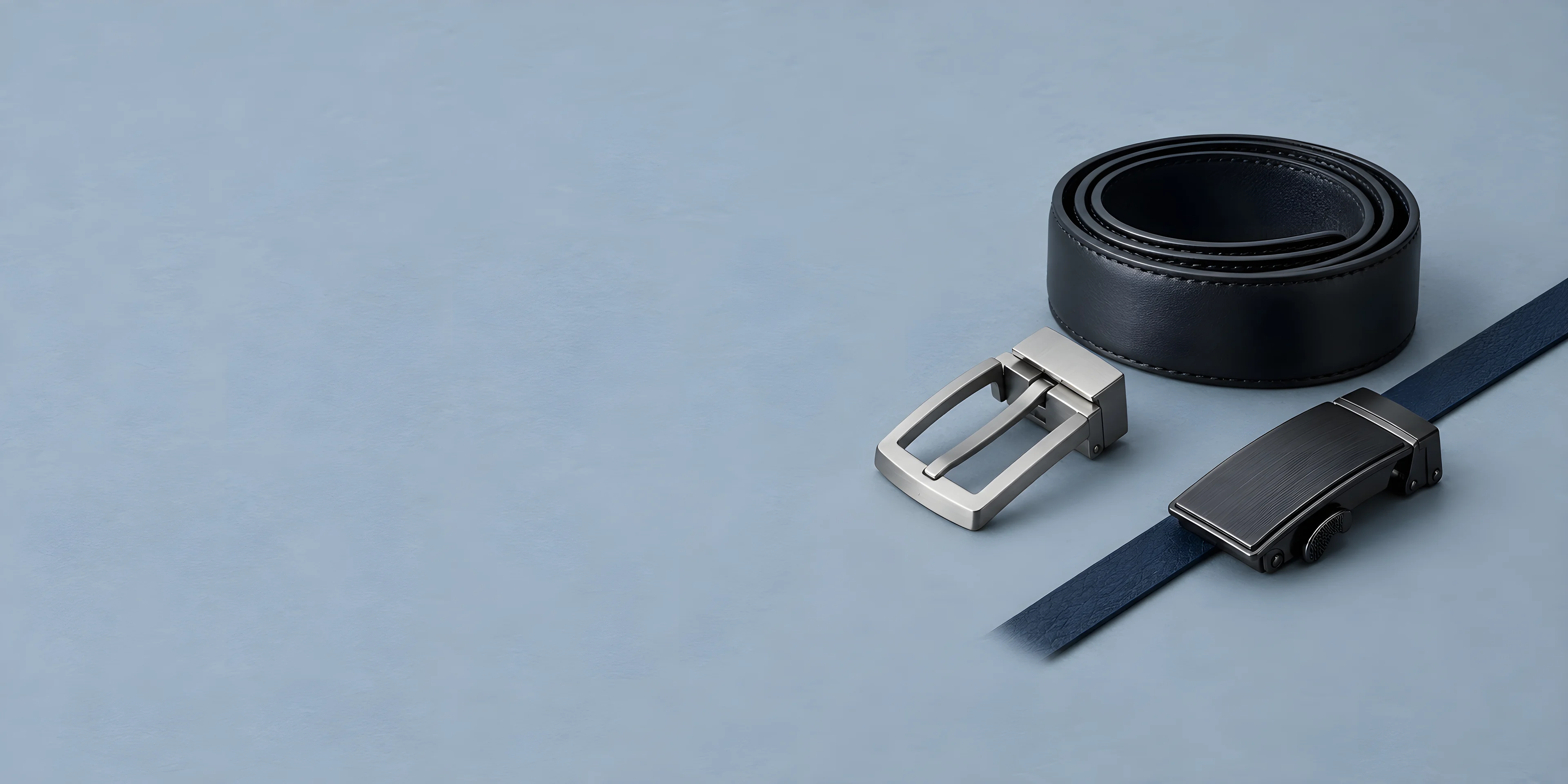
Belt hardware · 7 fittings
Seven ways a buckle meets a belt
The fastening mechanism is as important as the outline of a belt buckle. A clip, a rotating fitting and an automatic lock connect to the belt differently, even when their front faces look similar.
The family
Start from the fastening
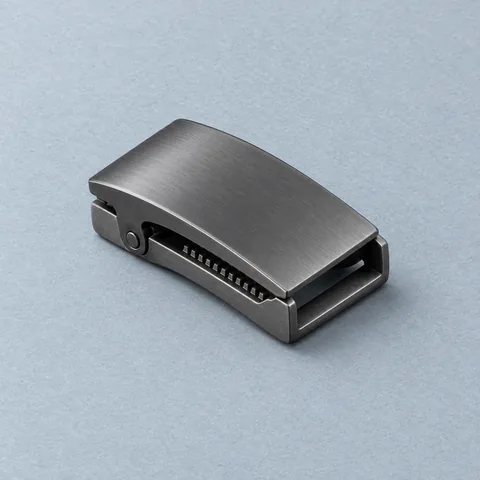
Clip Buckles
A clip grips the end of the strap, so the belt needs no holes punched in it.
Browse the category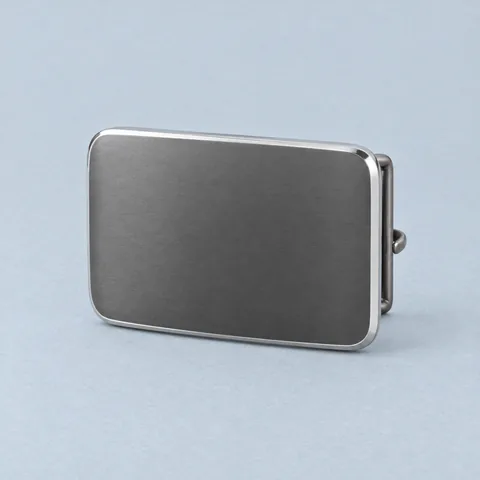
Plate Buckles
A broad face carries the design, with the fastening hidden behind it.
Browse the category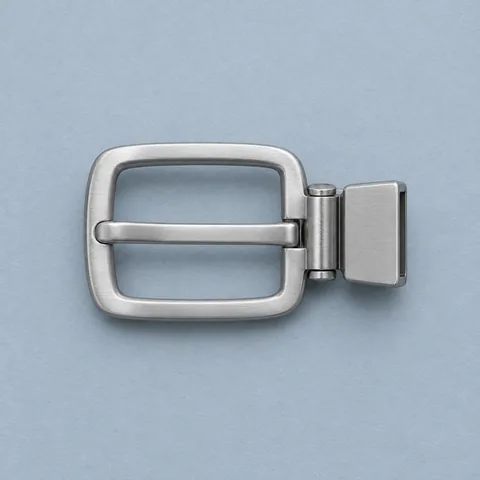
Reversible Buckles
The buckle turns, so one belt can show either face.
Reference page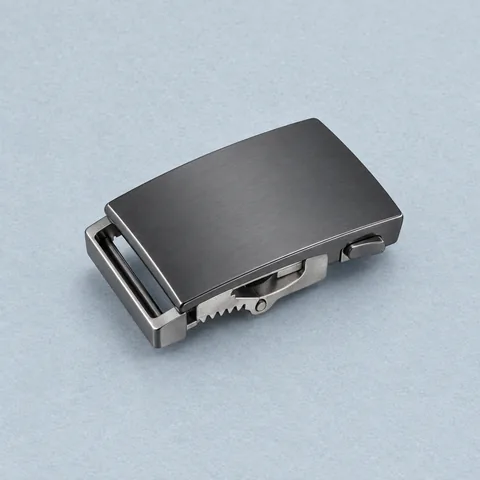
Auto-Locks
A ratchet grips the strap, adjusting without belt holes.
Reference page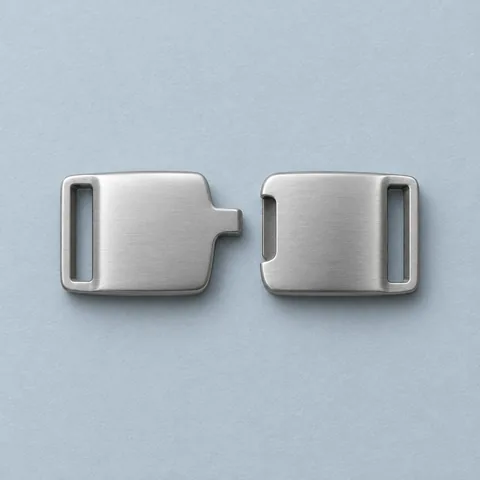
Toggle Clasps
Two halves meet and interlock at the front, in place of a tongue and hole.
Browse the category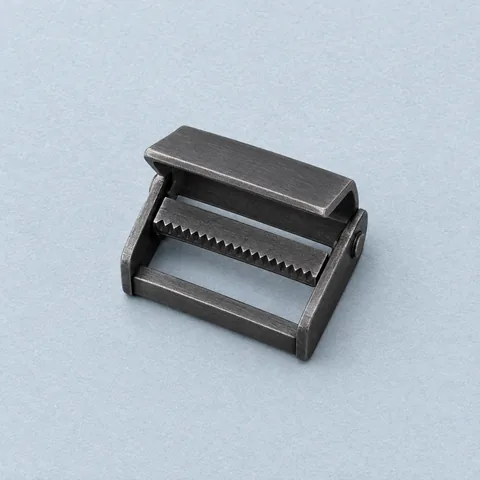
Webbing Buckles
Made for woven strap, which it clamps along its width rather than pierces.
Browse the category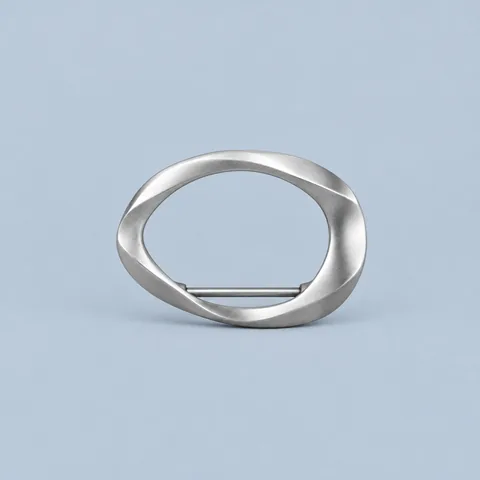
Decorative Buckles
Chosen for the shape first. Check the fitting behind it second.
Browse the categoryBefore choosing
Three things to settle first
Measure the belt width and the buckle opening independently.
Show the back of an automatic or reversible buckle when asking for a match.
Confirm belt thickness and attachment compatibility before choosing a replacement.
For traditional pin and center-bar buckles, start in the general-hardware collection instead — those fittings are shared across belts, bags and garments. Keep the belt and the buckle together when checking how the attachment works.
Find a match
Already holding the piece?
Sign in to search the collection by photo, by SKU or by the details you can measure.