Guide · 3 steps · updated 2026-11-15
Identify a buckle or fitting
Identify what a piece does before naming its shape. A decorative frame, a strap adjuster and a fastening buckle can share a similar outline without being interchangeable.
Step 01
Follow the fastening mechanism
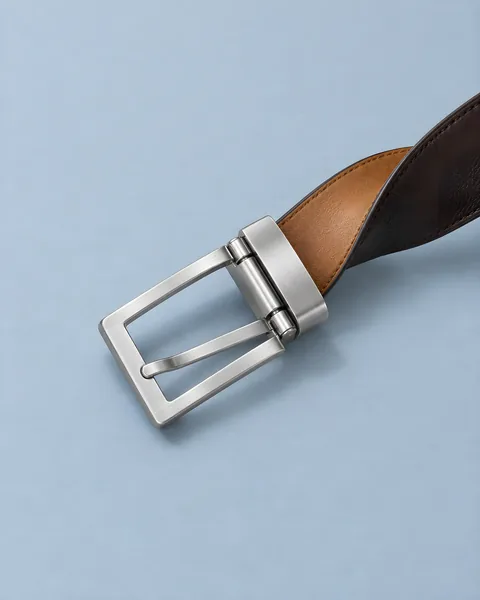
A pin buckle uses a tongue and a hole in the strap. An automatic buckle relies on its locking mechanism. A reversible buckle adds a rotating connection so a belt can show either face. These descriptions can overlap: function and attachment are separate clues.
If the piece is decorative, do not assume that an opening or a bar makes it suitable for fastening. Shoe ornaments may resemble functional buckles.
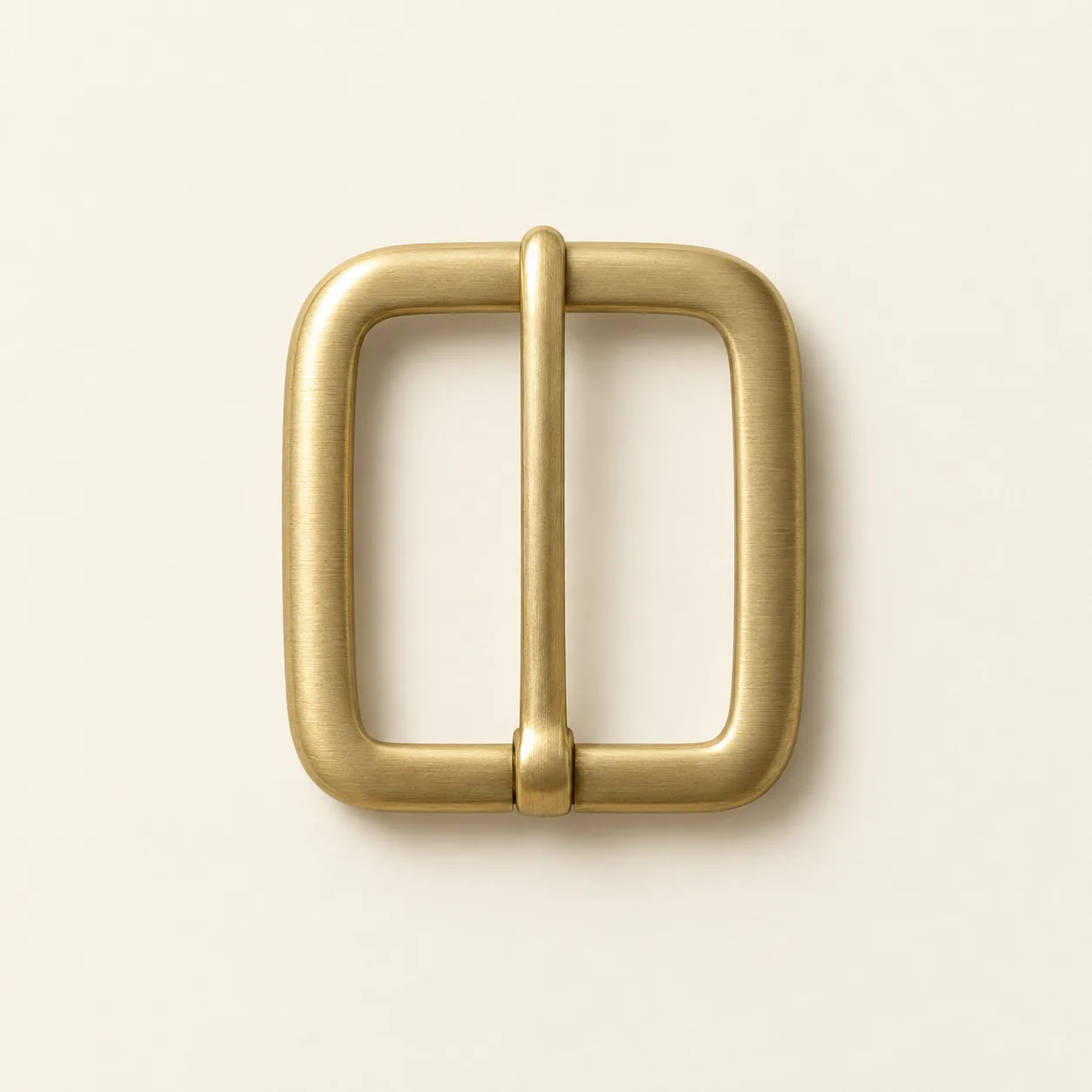
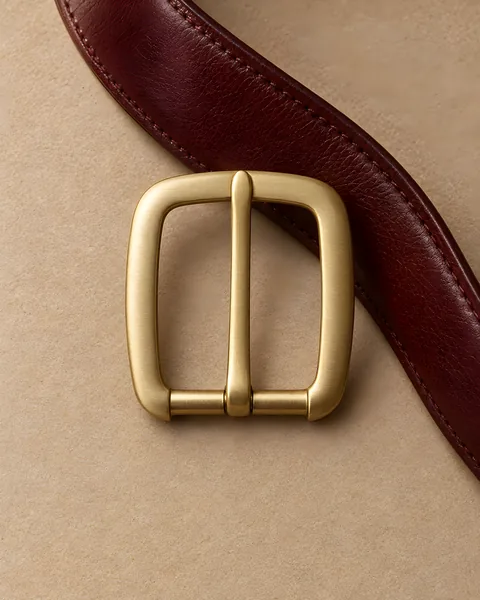
Pin buckleThe tongue fastens through a strap hole. 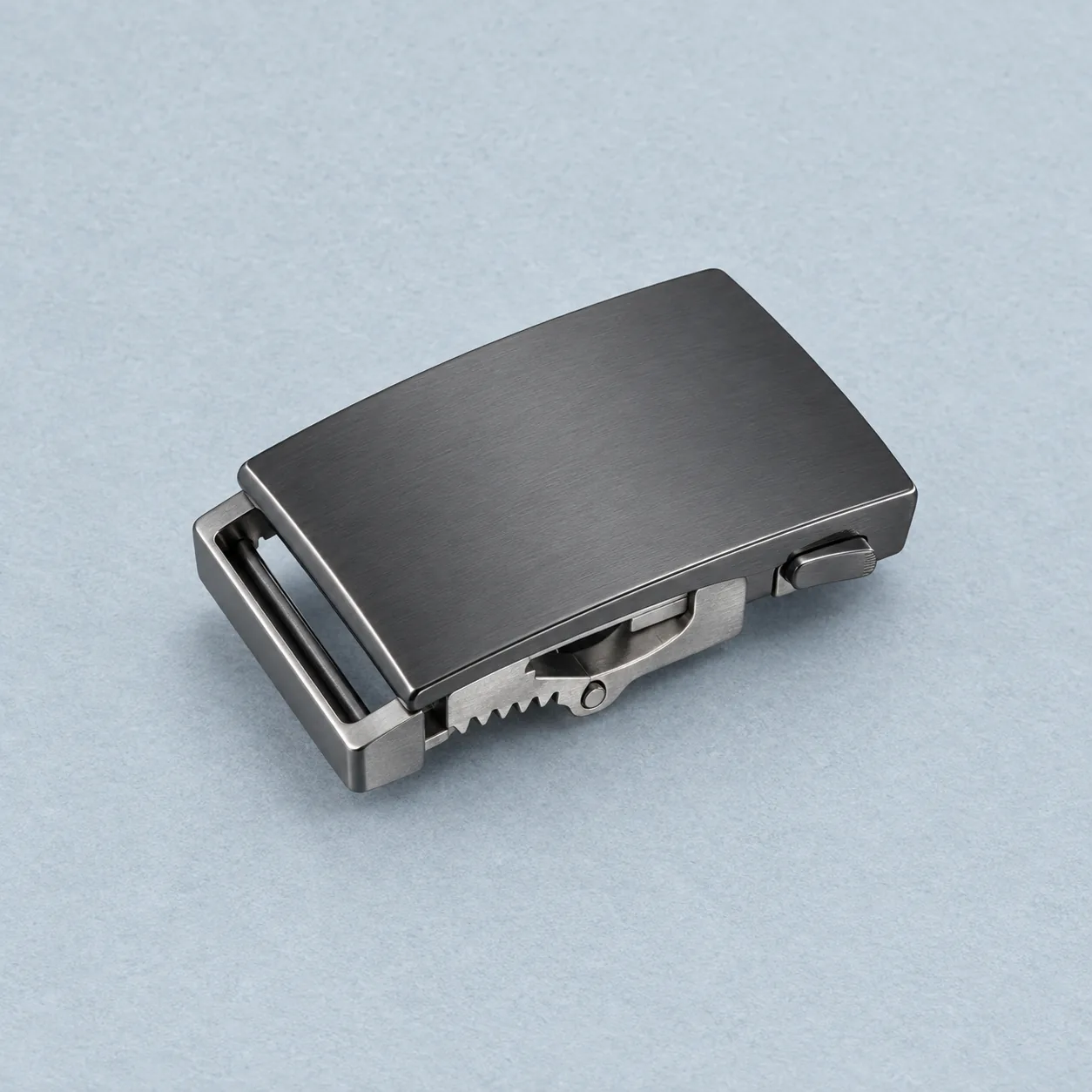
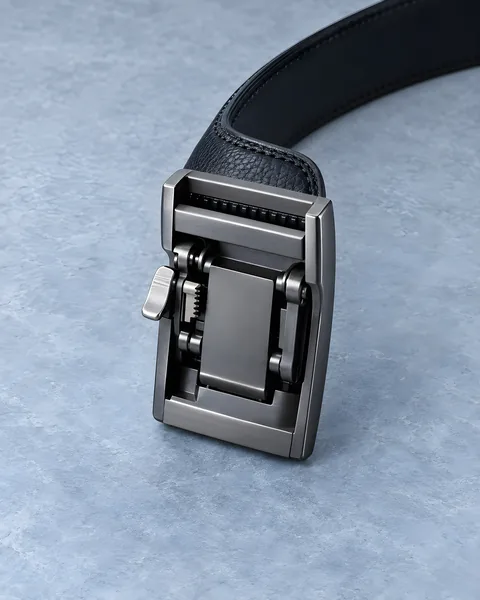
Automatic lockLook for the ratchet and release lever. 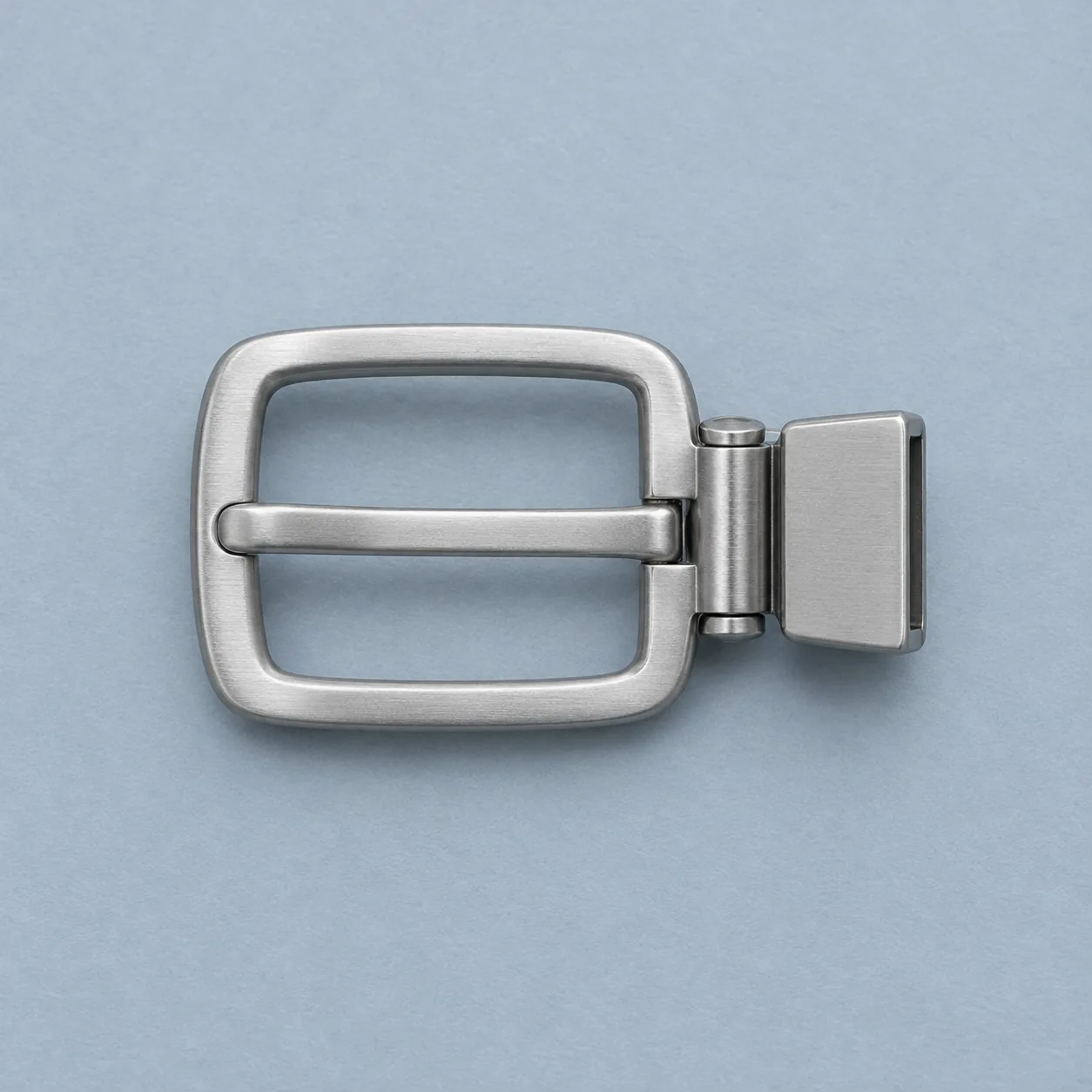
Reversible buckleFind the pivot between the frame and strap clamp.
Step 02
Inspect the reverse and the mating part
Look for the bar, clamp, mounting holes, prongs or loops on the reverse. For a hook or clasp, inspect the ring or second half it connects to. Record whether a joint is fixed or rotates.
Do not force a stuck mechanism or dismantle a fitting just to identify it. A clear photograph of the parts you can see is a better starting point.
- Describe the purpose: belt, bag, shoe, garment or general connection.
- Note how it opens, closes or adjusts.
- Photograph front, back and attachment, then measure the relevant openings.
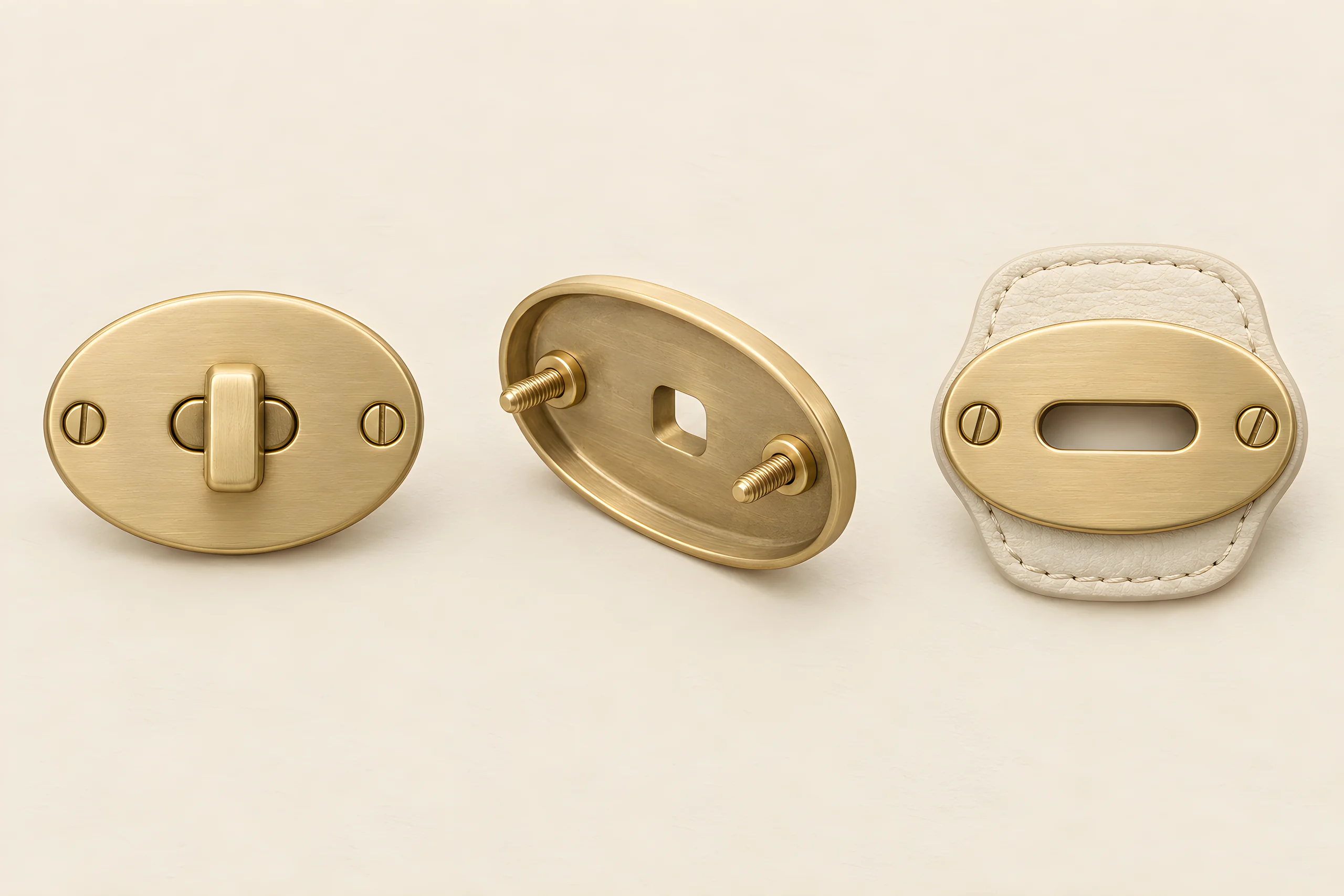
- Front
- Mounting side
- Mating plate
Look beyond the face: compare the mounting points and the part it closes onto.
Step 03
Use names as starting points
Trade names vary. Rayestar groups pin buckles under general hardware, automatic and reversible buckles under belt hardware, and dog hooks and clasps under bag hardware. Use the category to narrow the search rather than treating it as proof of compatibility.
If you are unsure of the name, start with image search and compare the candidate’s structure. Ask your supplier to confirm material, fit and intended use before selecting a replacement.
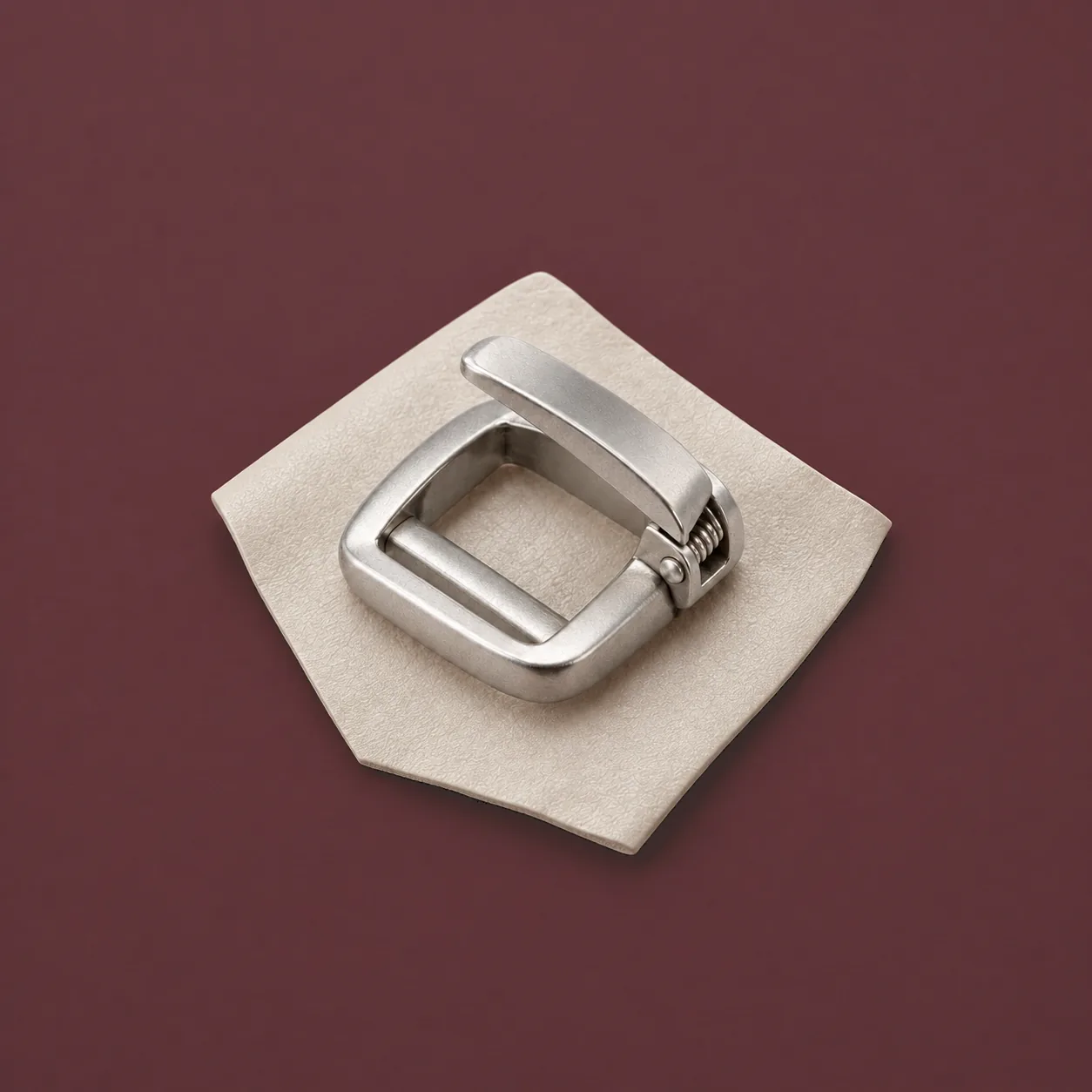
Working fastenerLook for an opening mechanism and a strap path. 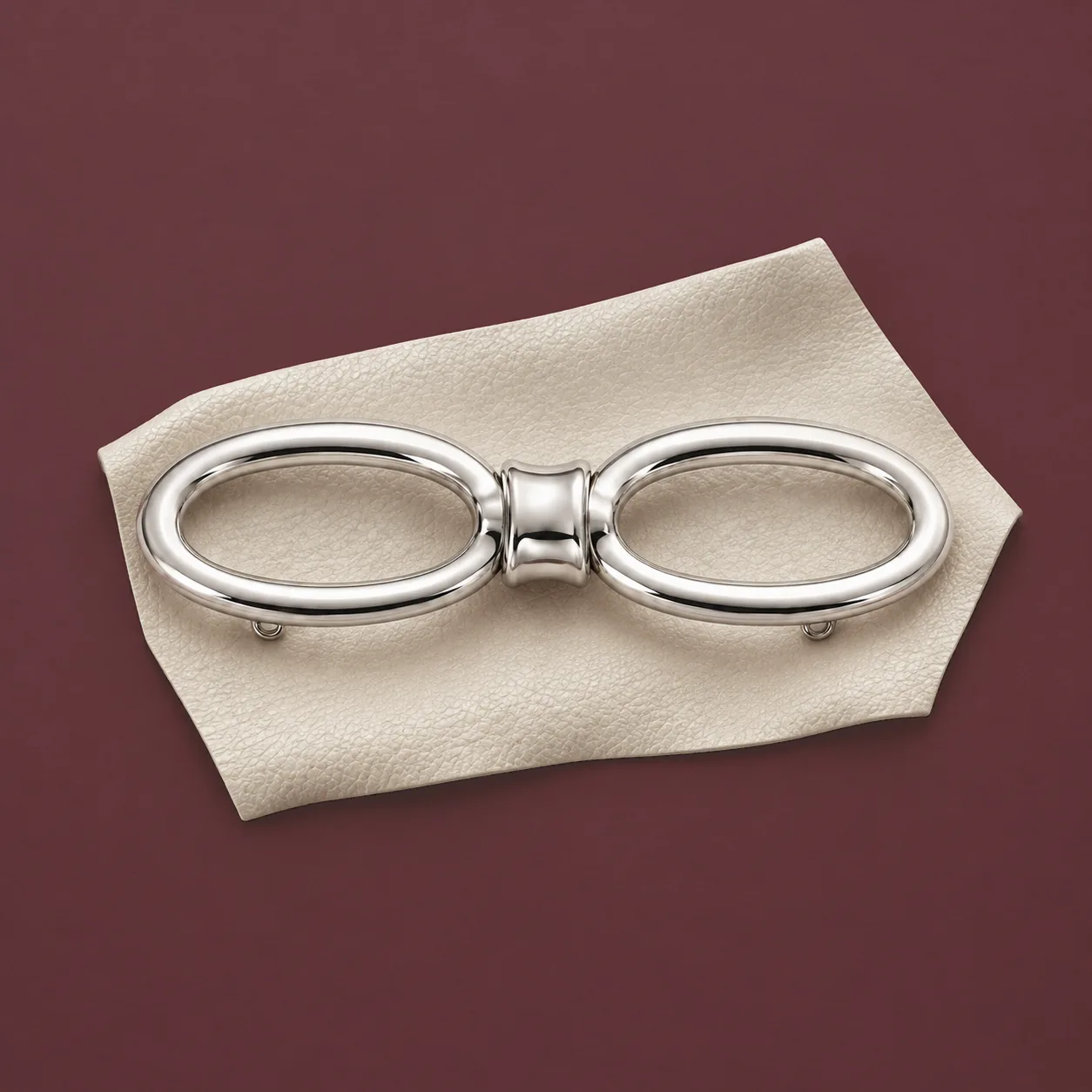
Decorative fittingAn opening alone does not make a fastener.
A category narrows a search; it does not prove compatibility. Trade names vary between suppliers, so a name alone is the least reliable part of an enquiry.
Try it
Ready with a photo?
Sign in and run your first search. Public pages never show live stock or availability.
Next, probably
Reference
Pin buckles
A pin buckle closes by passing a tongue through a hole in the strap.
Reference
Automatic belt buckles
An automatic buckle holds the belt through a locking mechanism rather than a conventional pin and belt hole.
Reference
Reversible belt buckles
A reversible buckle lets its orientation change so a reversible belt can present either face.