01
Start with the bar and tongue
- 1
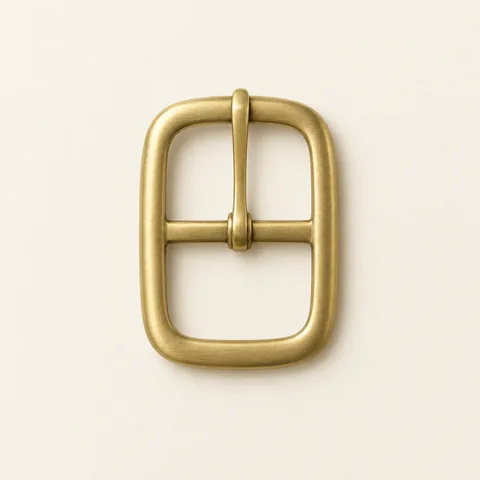
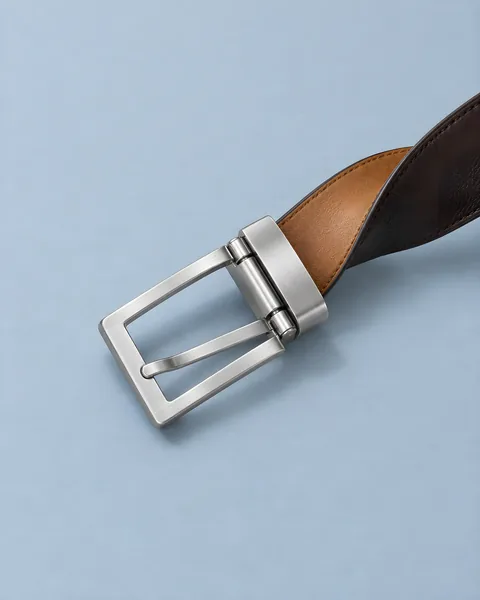
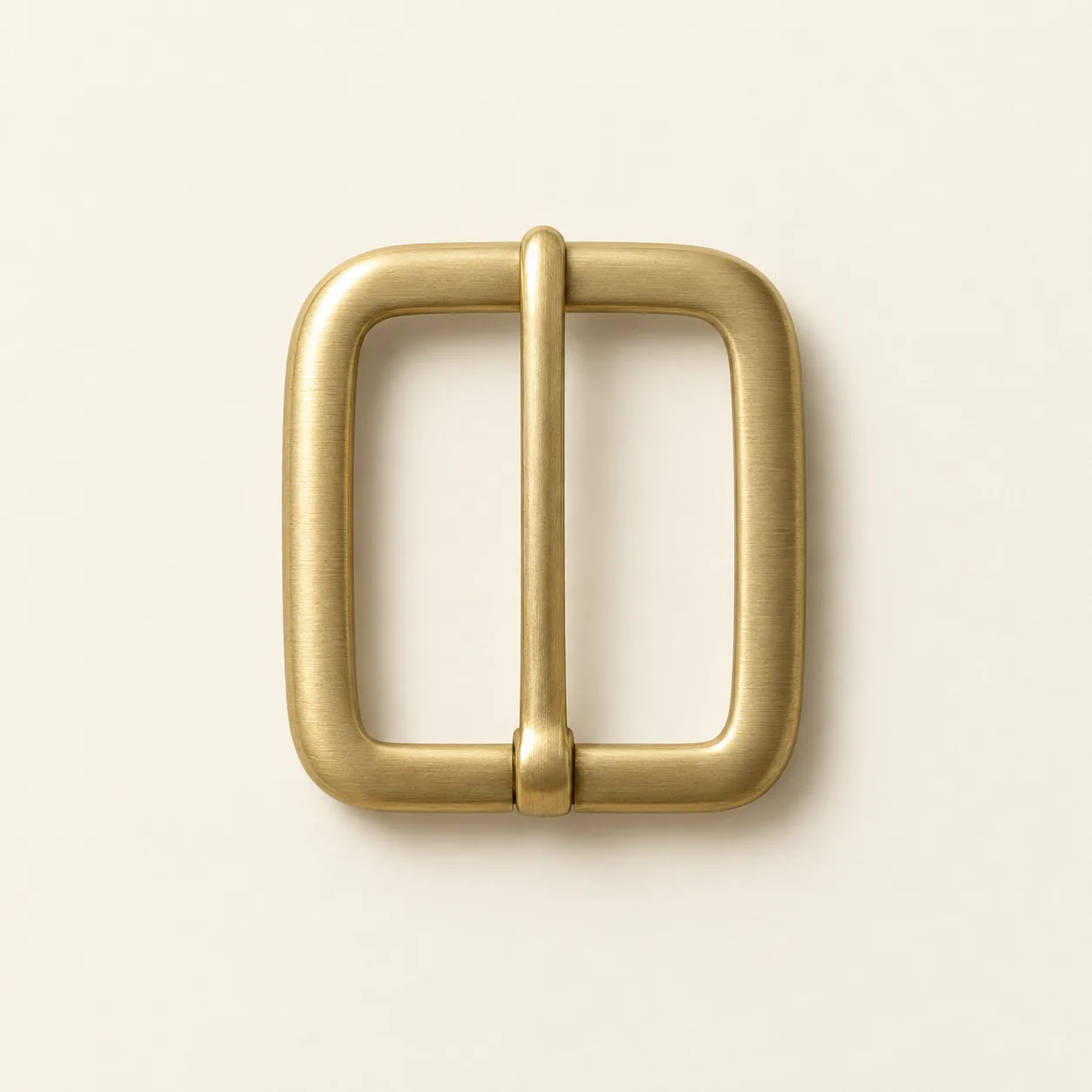
FrameThe outer shape. It decides how the buckle looks and almost nothing about whether it fits.
- 2
BarThe crosspiece the tongue pivots on. A centre-bar buckle carries it mid-frame; a pin buckle carries it at one end.
- 3
TongueIts length has to suit the hole spacing on your strap, not just the frame.
- 4
Clear openingThe gap the strap actually passes through. This is the measurement people skip.
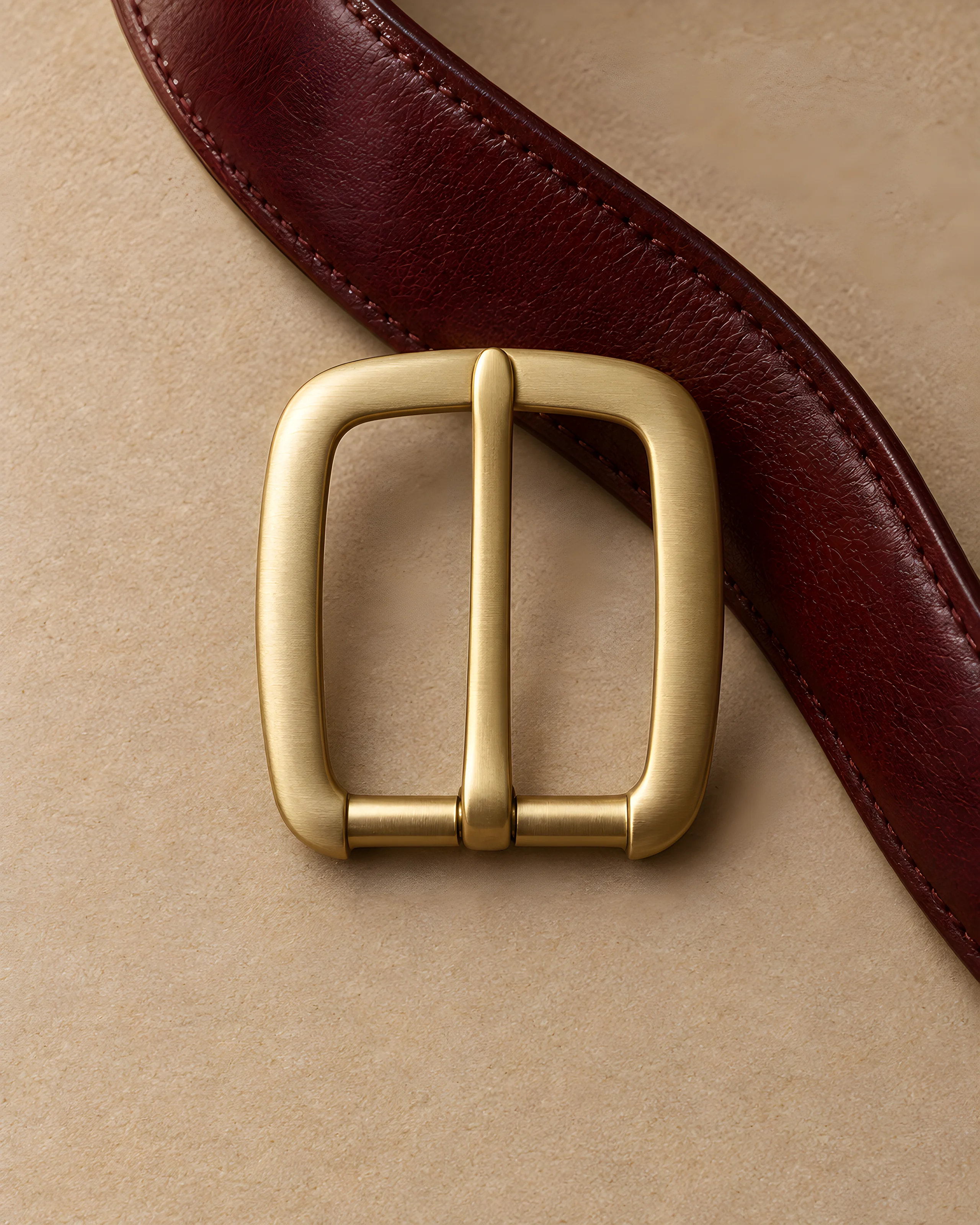
Look for the bar supporting the tongue and the opening through which the strap passes. A center-bar buckle places its attachment in the middle of the frame; a pin buckle in this category attaches at one end. Compare the back rather than relying on a front-only silhouette.
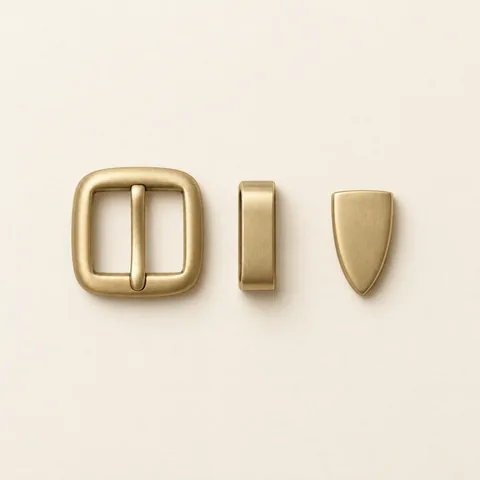
The illustrated example shows one arrangement, not every pin-buckle construction. A similar outline does not establish interchangeable parts.
02
Three measurements to keep separate
Record measurements in millimetres and label each one. The inner strap opening is not the same as the outside width of the frame.
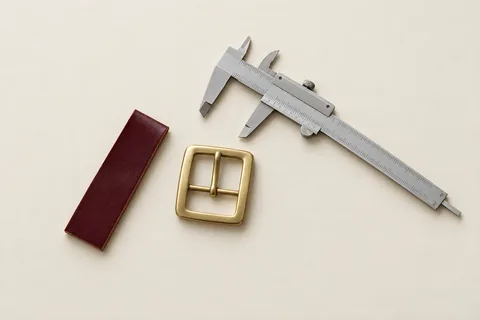
- Lay the buckle flat and measure the clear inner opening across the strap path.
- Measure the strap width and thickness separately, without compressing the material.
- Record the overall frame dimensions and photograph the tongue and attachment bar.
03
Before choosing a match
Check how the strap attaches: a folded end, screws or another fastening may need different clearance. Also check the tongue length and the position of the belt holes.
The photo can help compare shape and visible finish, and little else: the opening, the tongue and the attachment decide the fit.
An illustration is not a product specification. Confirm dimensions, material, finish and intended use with your supplier before ordering; appearance does not establish load capacity or interchangeable parts.