01
Shape in front, fitting behind
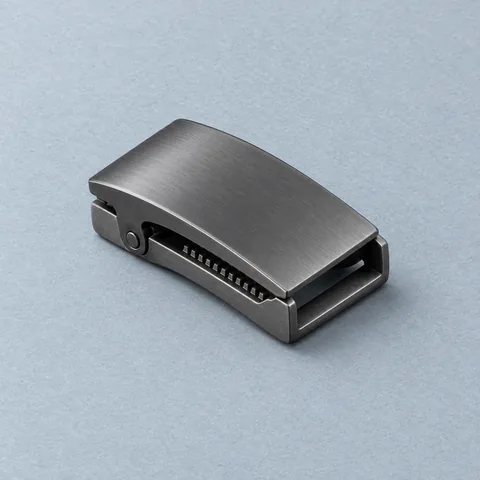
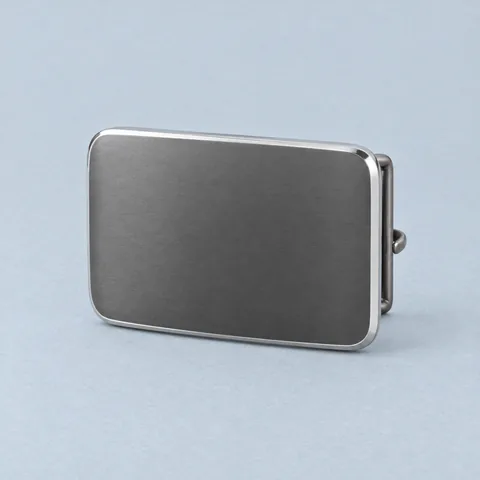
The front is the reason for the buckle: a sculpted or pierced frame, a figurative or western motif, enamel colour or set stones. The back decides how it works, so turn a decorative buckle over before choosing it.
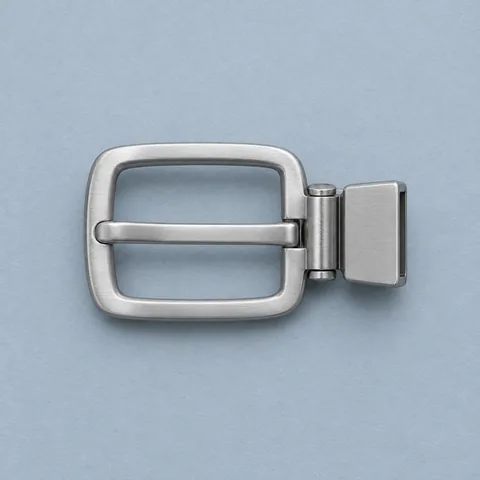
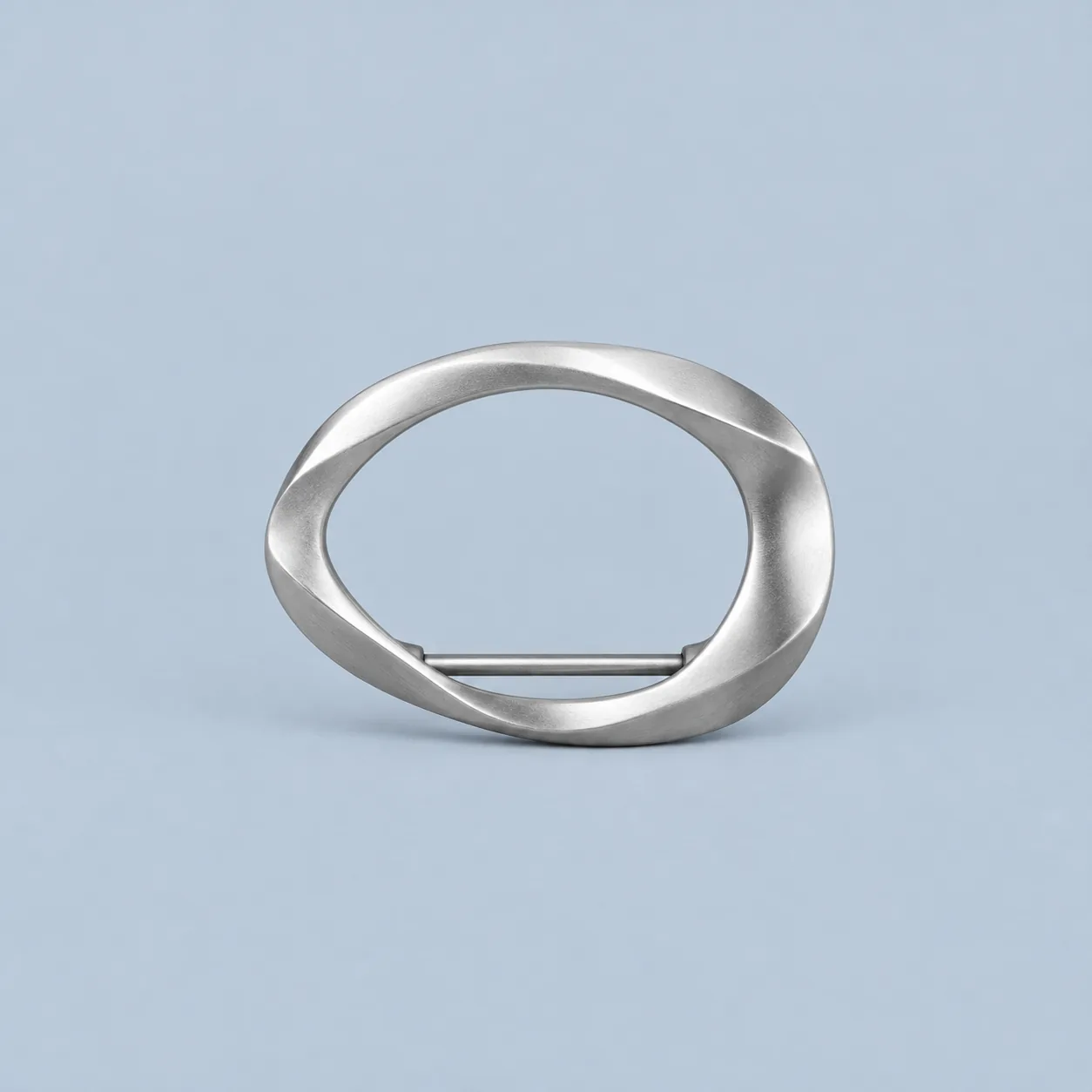
Without a prong, a decorative frame works as a slide: the strap threads over and under its bars and holds by friction, as on dress sashes and coat belts. With a prong, it closes like any pin buckle.
02
Decorative buckles by fitting
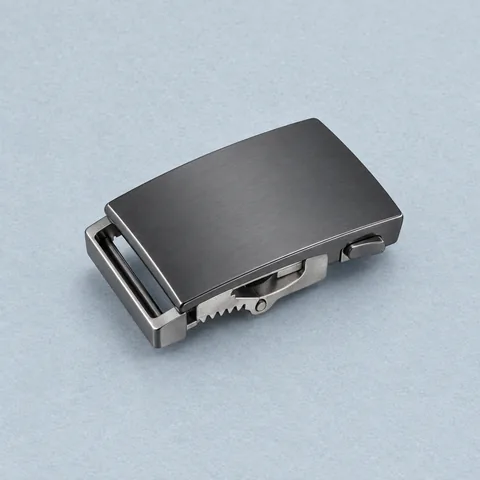
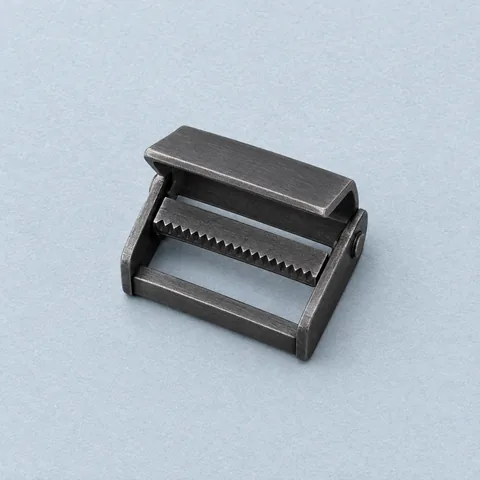
Prong buckles close belts through punched holes; slide buckles with one or more bars hold a fabric or thin leather strap at any point; stud-backed buckles hook into a hole like a plate buckle. Purely ornamental pieces, sewn or riveted on, fasten nothing at all.
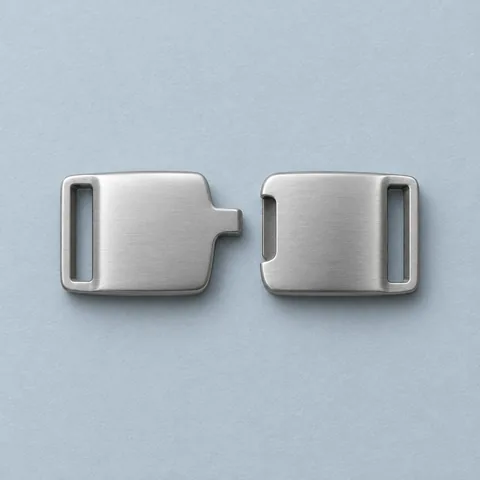
Trims of the same kind for footwear are under shoe ornaments; for a closure made in two halves, see interlocking belt buckles.
03
Decorative buckle sizes
A decorative buckle is named by the strap width its opening takes, however large the frame around it. Measure inside the opening, not across the frame.
For a slide, check the gaps between its bars too: the strap threads through them, so they must take its thickness as well as its width.
| Strap width | Nearest inch size | Usually for |
|---|---|---|
| 15 mm | 5/8 in | Dress straps and garment trims |
| 20 mm | 3/4 in (19 mm) | Skinny belts and sashes |
| 25 mm | 1 in (25.4 mm) | Women’s belts, coat belts |
| 30 mm | 1 3/16 in | Narrow belts |
| 38 mm | 1 1/2 in (38.1 mm) | Standard belts |
04
Materials and finishes
Most decorative buckles are die-cast in zinc alloy, which fills sculpted and pierced shapes, takes enamel colour and holds set stones; brass and stainless steel versions are heavier. In soft enamel the colour sits below raised metal lines; in hard enamel it is polished flush with them.
Across the collection, pieces come plated in six colours: gold, silver, rose gold, gunmetal, black and antique bronze. Antique tones darken the recesses and leave the high points bright, which suits vintage and western designs.
05
Ordering decorative buckles
Rayestar supplies companies — brands, belt, garment and shoe makers, wholesalers and importers — rather than individuals. Open a trade account and one representative handles samples, prices and orders.
- Find the design by photo or SKU, and note the strap width it takes.
- Check the fitting behind — prong, slide bar, stud or sew-on — against your strap or garment.
- Choose the plating colour and quantity; your representative confirms price, samples and lead time.
Questions
Questions buyers ask
- What is a decorative buckle?
- A buckle chosen for its looks first — shape, relief, enamel or stones — with an ordinary fitting behind: a prong, a slide bar or a stud. Some are purely ornamental and fasten nothing.
- How do you attach a decorative buckle to a dress or coat?
- A slide buckle needs no fixing: the sash threads over and under its bars. A buckle with a fixed end is sewn round its bar, and purely ornamental pieces are stitched on through loops or holes in the back.
- What is the difference between a decorative buckle and a belt buckle?
- None in how it works: a decorative buckle is a belt buckle chosen for its front. Its opening and fitting still have to suit the strap.
- Can a decorative buckle be used on a leather belt?
- Yes, if its opening takes the strap width and its fitting suits leather: a prong for punched holes, or bars spaced wide enough for the leather’s thickness.
- How do I find a buckle that matches a photo?
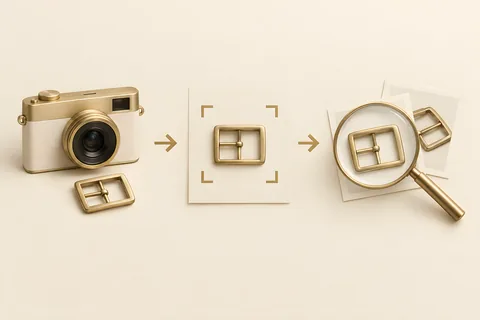
- Sign in and search the collection with the photo; the closest pieces by shape come back first. Find hardware from a photo explains how to take a picture that matches well.
- Do you sell decorative buckles to companies?
- Yes — to brands, belt, garment and shoe makers, wholesalers and importers, not to individuals. One representative per account handles samples, quantities and orders.
The illustrations show the type, not a specific catalogue piece. Size, material, finish and lead time are confirmed for each order by the representative who handles it.